

If you’re getting ready to build a home, install a driveway, add a shop, or start any construction project, vegetation removal is often the first step. Removing brush, weeds, overgrown plants, small trees, and unwanted vegetation creates a clean work area and helps prevent delays later in the project. Property owners in Eugene, Springfield, and nearby Oregon communities often ask what should be removed, how much it costs, and why professional vegetation removal makes such a difference.
Woodside Property Services helps homeowners, business owners, and property developers prepare their land safely and efficiently. Every property is different, so the right approach depends on the size of the lot, the type of vegetation, and the plans for future construction.
Why Vegetation Removal Matters Before Site Development
Many people think clearing vegetation simply improves appearance. In reality, it serves a much bigger purpose.
Construction equipment needs enough room to operate safely. Thick brush, overgrown grass, vines, shrubs, and small trees can slow progress and hide obstacles beneath the surface.
Vegetation removal also helps contractors locate rocks, old foundations, drainage issues, buried debris, and uneven ground before construction begins. Finding these problems early often saves both time and money.
A properly cleared site creates better working conditions for excavation, grading, utility installation, and foundation work.
What Is Included in Vegetation Removal?
Every project has different requirements. Some properties only need heavy brush removed, while others require complete site clearing.
Vegetation removal commonly includes:
- Removing brush, weeds, and invasive plants. Thick vegetation can spread quickly and interfere with construction equipment. Clearing these areas creates open access across the property and makes future grading much easier.
- Removing small trees and unwanted growth. Young trees may seem harmless today, yet their roots continue growing over time. Removing unwanted trees before development prevents future problems around foundations, sidewalks, and utilities.
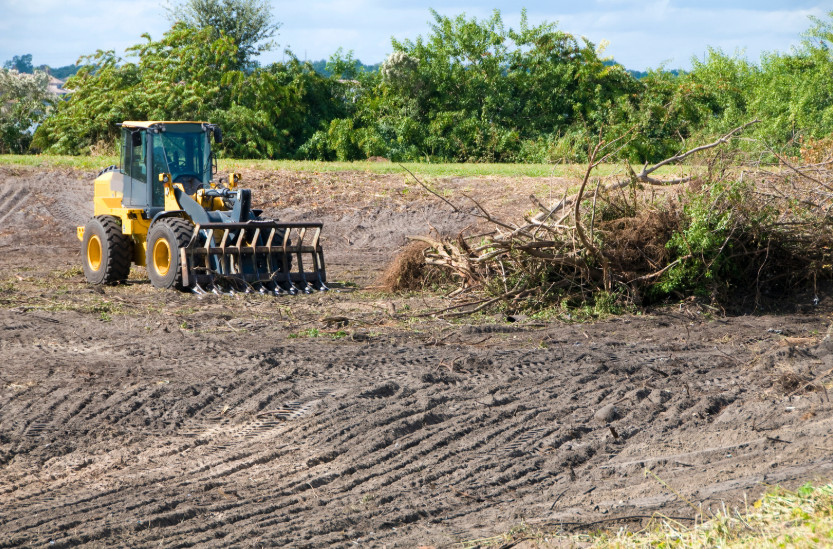
- Hauling away debris. Clearing vegetation leaves behind branches, roots, brush piles, and organic waste. Professional cleanup leaves the property ready for the next phase of construction.
- Preparing the site for grading and excavation. Once vegetation has been removed, crews can accurately measure elevations, improve drainage, and begin site preparation.
When Should Vegetation Removal Be Scheduled?
The best time to remove vegetation is before any major construction begins.
Scheduling vegetation removal early helps prevent delays during excavation and grading. It also provides enough time for permit approvals if larger tree removal becomes necessary.
Property owners throughout Eugene and Springfield often schedule vegetation removal before:
- Building a new home
- Installing a driveway
- Adding a detached garage
- Building a shop
- Installing utilities
- Expanding commercial property
- Creating outdoor living spaces
Starting with a clean property allows every contractor involved in the project to work more efficiently.
Vegetation Removal Costs
One of the first questions property owners ask is about pricing.
The total cost depends on property size, vegetation density, accessibility, and disposal requirements.
Average price ranges include:
- Light brush clearing: $500–$2,000
- Moderate vegetation removal: $2,000–$5,000
- Heavy overgrowth clearing: $5,000–$12,000+
- Small tree removal: $300–$1,500 per tree
- Debris hauling: $300–$1,500
A site inspection provides the most accurate estimate since every property presents different challenges.
Vegetation Removal Tips Before Site Development
Preparing the property properly helps construction move forward with fewer surprises.
Walk the Property Before Any Work Begins
Take time to identify large trees, drainage areas, fences, utility boxes, and structures that should remain. Marking these areas reduces the chance of accidental damage during clearing.
Remove Only What Needs to Go
Healthy mature trees often add value to a property. Removing unnecessary trees can reduce shade and affect future landscaping plans. A professional evaluation helps determine which vegetation should stay and which should be removed.
Think About Drainage
Removing vegetation changes how water flows across the property. Planning drainage before construction begins helps reduce erosion and standing water after the project is complete.
Plan Future Construction
Think beyond the current project. Leave enough space for driveways, sidewalks, patios, utilities, and landscaping. Planning ahead helps avoid additional clearing later.
Why Professional Vegetation Removal Is Worth It
Some property owners consider clearing vegetation themselves.
Small cleanup projects may be manageable, yet larger properties often require specialized equipment and experience.
Professional vegetation removal provides several benefits:
- Faster completion. Equipment designed for clearing large areas removes dense vegetation much more efficiently than handheld tools. This keeps the overall construction schedule moving.
- Better site preparation. Professional crews identify hidden hazards before excavation begins. Spotting rocks, stumps, drainage problems, and buried debris early helps reduce unexpected costs later.
- Safer working conditions. Thick brush can hide uneven ground, holes, old fencing, and abandoned materials. Clearing these hazards creates a safer work area for every contractor involved.
Additional Services That Prepare Your Property
Vegetation removal often leads directly into the next phase of site preparation.
Many customers combine vegetation removal with land clearing and excavation to prepare building sites and improve drainage.
Larger projects frequently require tree cutting and removal before excavation equipment can safely access the property.
Old stumps left behind after clearing are commonly removed through stump grinding and removal to create a level work area.
After construction is complete, many homeowners improve their outdoor spaces with pavers and hardscaping for patios, walkways, retaining walls, and outdoor gathering areas.
Combining these services often keeps projects organized and reduces scheduling gaps.
Common Mistakes During Vegetation Removal
Avoiding a few common mistakes can save time and prevent unnecessary expenses.
- Starting without a plan. Clearing random sections first often creates extra work later. Mapping out the project before equipment arrives keeps the job organized from beginning to end.
- Leaving stumps behind. Stumps can interfere with grading, foundations, sidewalks, and utility installation. Removing them early creates a smoother building site.
- Ignoring property boundaries. Confirm property lines before clearing begins. This prevents accidental removal of vegetation from neighboring properties.
- Skipping professional cleanup. Brush piles and loose debris create safety hazards and delay construction. Complete cleanup leaves the site ready for the next contractor.
Frequently Asked Questions
1. What is vegetation removal?
Vegetation removal includes clearing brush, weeds, shrubs, vines, and unwanted trees to prepare land for construction or other improvements.
2. Is vegetation removal different from land clearing?
Yes. Vegetation removal focuses on plants and organic growth, while land clearing may include grading, stump removal, rock removal, and excavation.
3. How long does vegetation removal take?
Many residential projects take one to three days, depending on the property size and vegetation density.
4. Can vegetation removal improve drainage?
Yes. Removing overgrowth makes it easier to grade the property and direct water away from future structures.
5. Will all trees need to be removed?
No. Healthy trees that fit the site plan can often remain.
6. Is debris hauling included?
Many professional vegetation removal projects include hauling and disposal as part of the service.
7. Can work continue after heavy rain?
Weather conditions may affect scheduling if the ground becomes too soft for heavy equipment.
8. Does vegetation removal help reduce fire hazards?
Yes. Removing dry brush and overgrown vegetation lowers the amount of combustible material on the property.
9. Can vegetation removal prepare land for new construction?
Yes. It creates better access for grading, excavation, utility work, and foundation installation.
10. Why hire Woodside Property Services?
Woodside Property Services provides dependable vegetation removal, complete site preparation, and reliable service for homeowners and businesses throughout Eugene, Springfield, and nearby Oregon communities.
Final Thoughts
Vegetation removal is one of the smartest investments before site development begins. A properly cleared property allows construction crews to work safely, improves access for equipment, and helps uncover potential problems before they become expensive setbacks. Whether the project involves a new home, commercial building, driveway, or outdoor improvement, starting with a clean site creates a stronger foundation for everything that follows.
Schedule Your Site Preparation
Preparing property for development starts with the right team. Woodside Property Services proudly serves Eugene, Springfield, and neighboring Oregon communities with dependable vegetation removal and complete site preparation services. Call (541) 844-4995 to discuss your project, or contact us to schedule an estimate and learn how Woodside Property Services can help prepare your property for successful construction.